Metal Deck Coating That Waterproofs and Stops Corrosion in One Pass
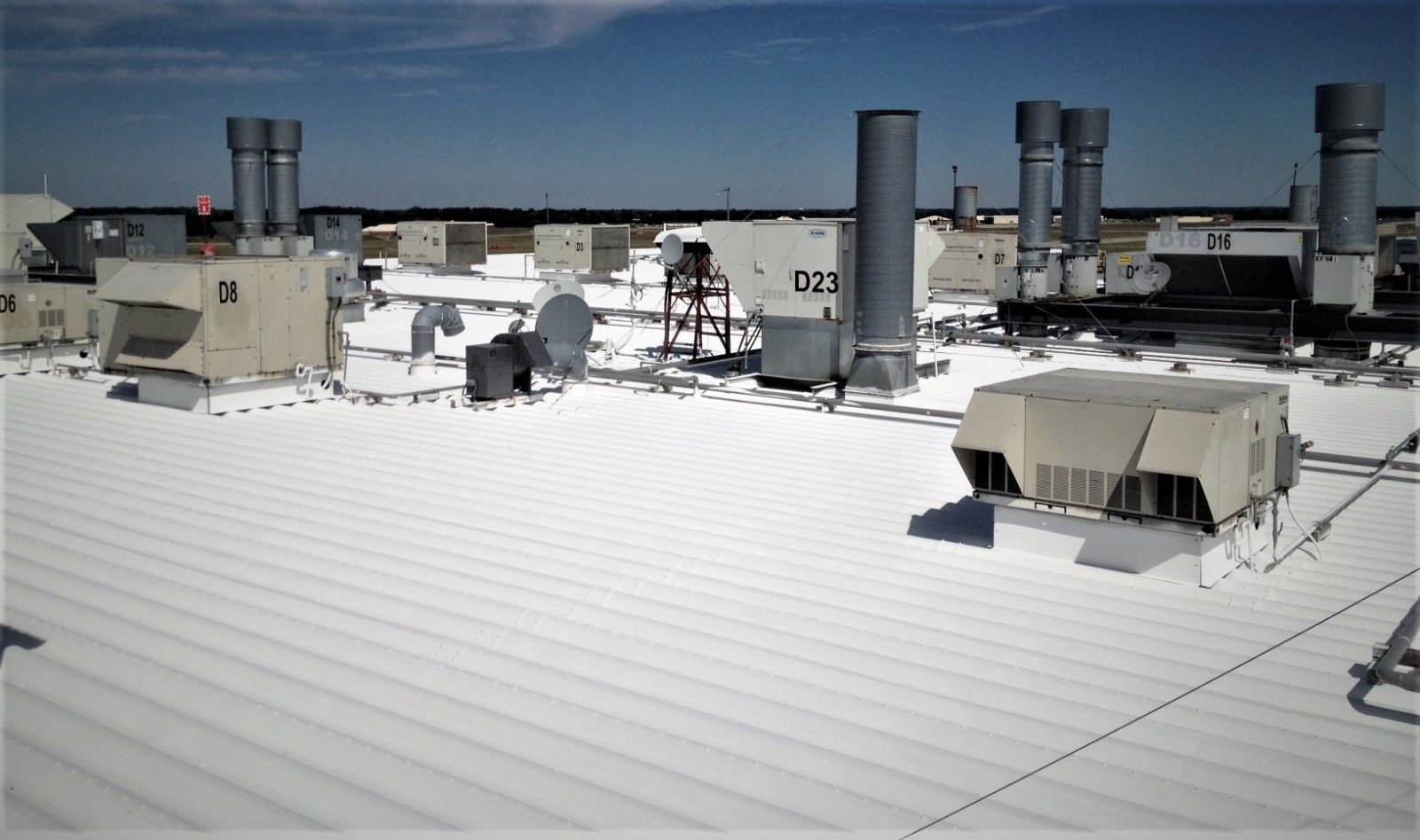
Corrugated decking, mezzanine plate, catwalks, and roof decks all fail the same way — at the flutes, the side laps, and the fasteners. OR-80SLM Silver Lining Membrane and OR7K polyurea spray into a seamless elastomeric film that bridges every one of those details, with 7001 Primer for adhesion and Flak Jacket 1 where the deck also takes traffic and impact.
Get a Deck Coating SpecWhy Metal Decking Is a Hard Substrate to Protect
The Geometry Is the Problem
A corrugated deck is nothing but details: flute valleys that hold water, side laps that capillary-draw it sideways, and hundreds of fastener penetrations per bay. Brush and roller coatings thin out at exactly those edges. Sprayed polyurea builds uniformly over the whole profile and bridges each detail as one continuous film.
Corrosion Starts on the Underside
Warm interior air hits a cold deck and condenses on the bottom flange, where nobody inspects. That is why galvanized decking rusts from the top of the ceiling downward in wash-down and high-humidity buildings. A membrane that seals the topside stops the water that feeds it.
Waterproofing and Rust Protection Together
Most products do one. A pure polyurea membrane at 300–400% elongation is a waterproofing layer, a corrosion barrier, and a flexible bridge over deck deflection at the same time — which matters because a metal deck moves under load and a rigid coating cannot follow it.
Sprayed and Walkable the Same Day
Gel in 3–6 seconds and tack-free in 10–30 means a bay can be coated and back in service within the shift. On an occupied building, on a live mezzanine, or on a roof deck ahead of weather, that speed is not a convenience — it is what makes the job possible.
Decks We Coat
Structural decking, walking surfaces, and elevated platforms — anywhere a metal deck has to be waterproof, corrosion resistant, and walkable at the same time.
- Corrugated structural roof decking
- Composite floor decking
- Mezzanine and platform decks
- Catwalks, walkways & crossovers
- Stair treads & landings
- Equipment and rooftop platforms
- Marine and dock decking
- Grating infill & checker plate
- Canopy and awning decks
- Bar joist & underside framing
The Metal Deck Coating System
Four products. The right combination depends on whether the deck is a roof, a floor, or a wear surface.
Every Failure Traces Back to a Detail, Not a Field
Pull the insulation off an aging metal roof deck and the corrosion map is always the same. The middle of the panel looks fine. The flute valleys are stained. The side laps are rusted through from between the sheets. And there is a ring of red around a good percentage of the fasteners.
That pattern is not a coating quality issue. It is a geometry issue. A deck profile concentrates water exactly where a brush or roller applies the least material — into the corners of a flute, into a lap that a bristle cannot reach, around a fastener head where surface tension pulls the film thin. You can specify an excellent coating and still watch it fail at the details, because the details never received the specified thickness.
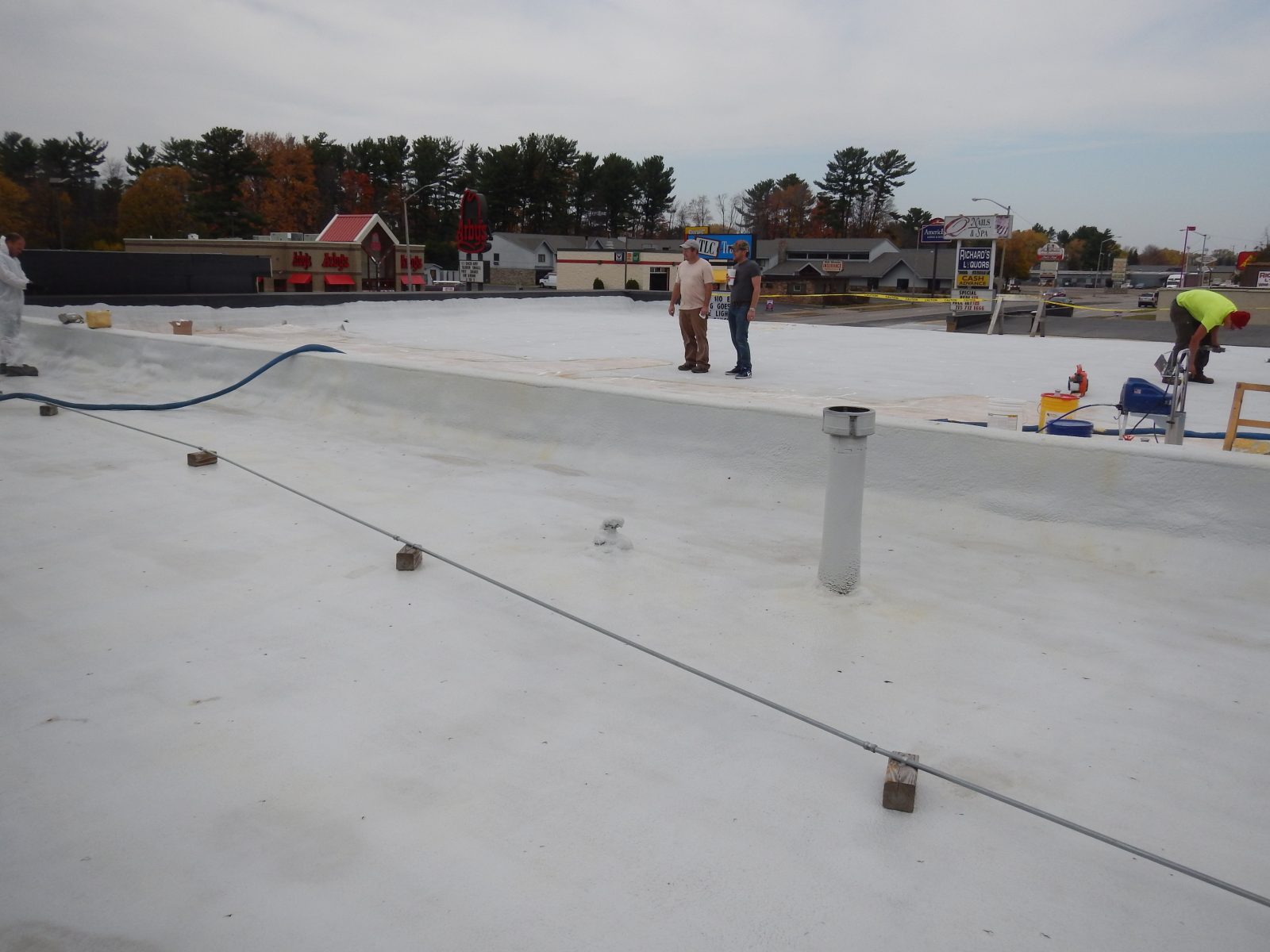
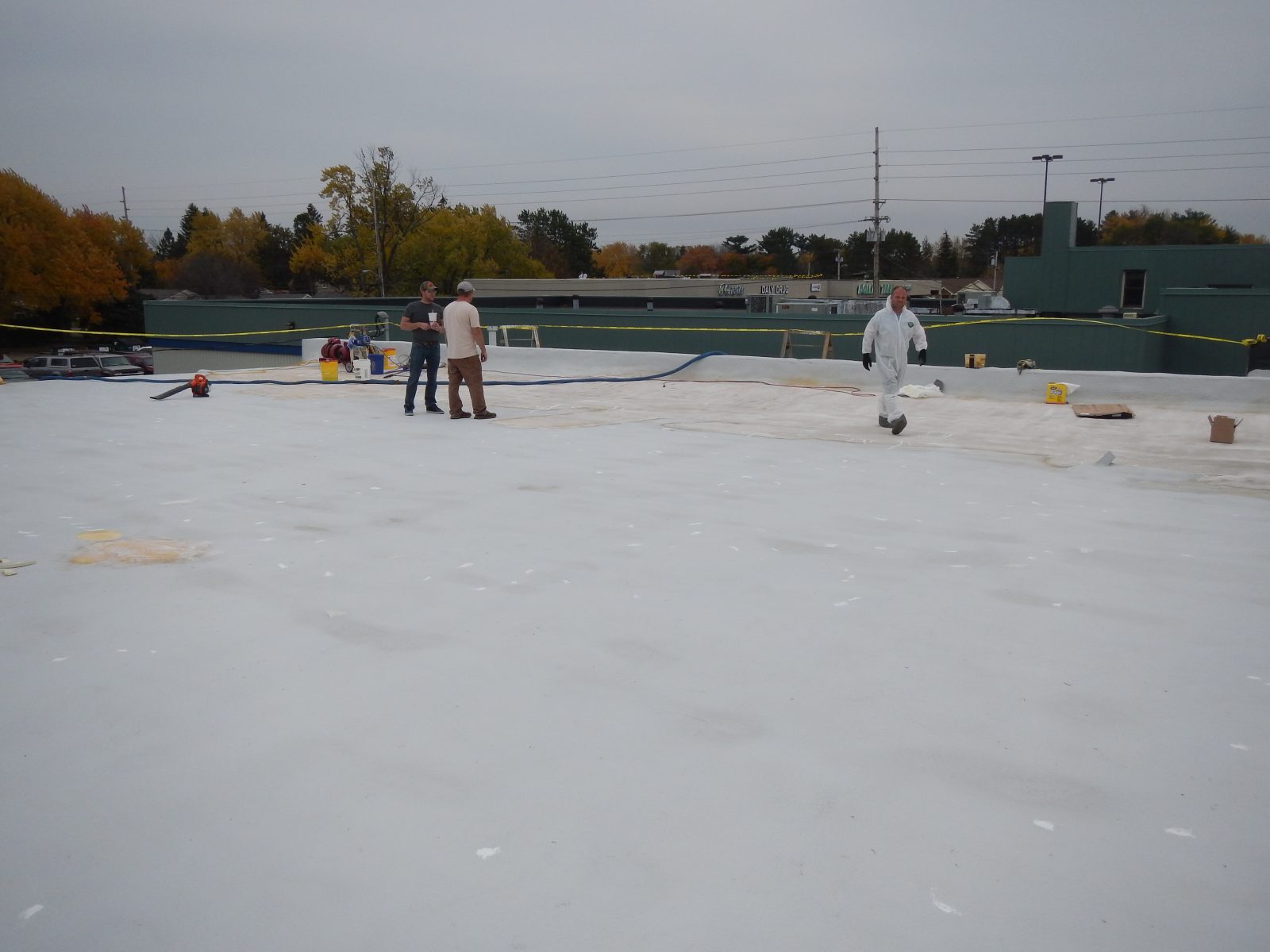
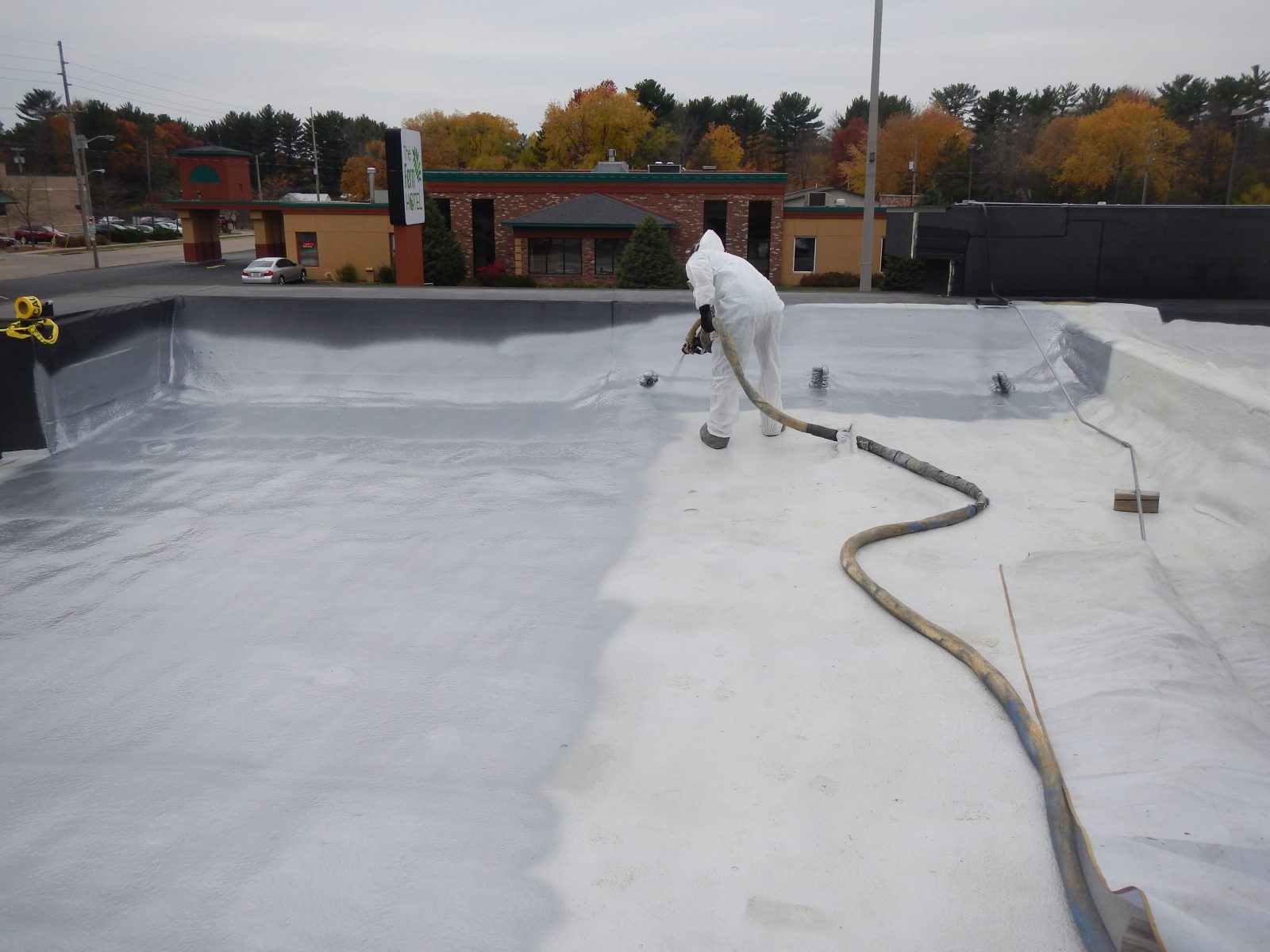
Plural-component polyurea removes that variable. OR-80SLM and OR7K spray at 2,000 PSI and 160°F, mix at the gun, and gel on the substrate in three to six seconds. The film builds uniformly across flat pan, flute wall, lap, and fastener head alike, at 40 to 80 mils in a single pass with no seams and no thin edges. At 300–400% elongation it flexes with deck deflection instead of cracking over it.
Membrane Properties at a Glance
Deck and Membrane Work
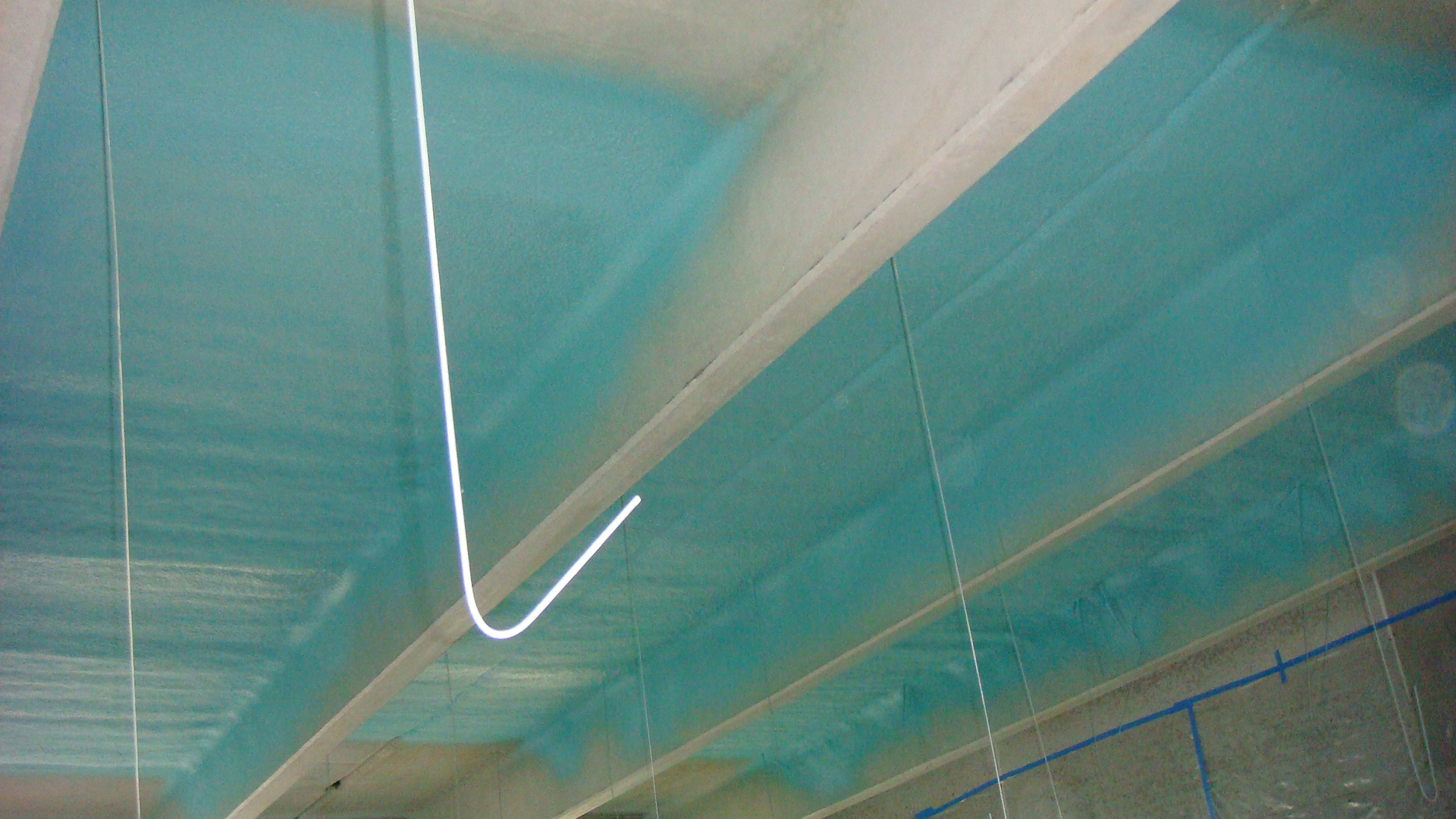
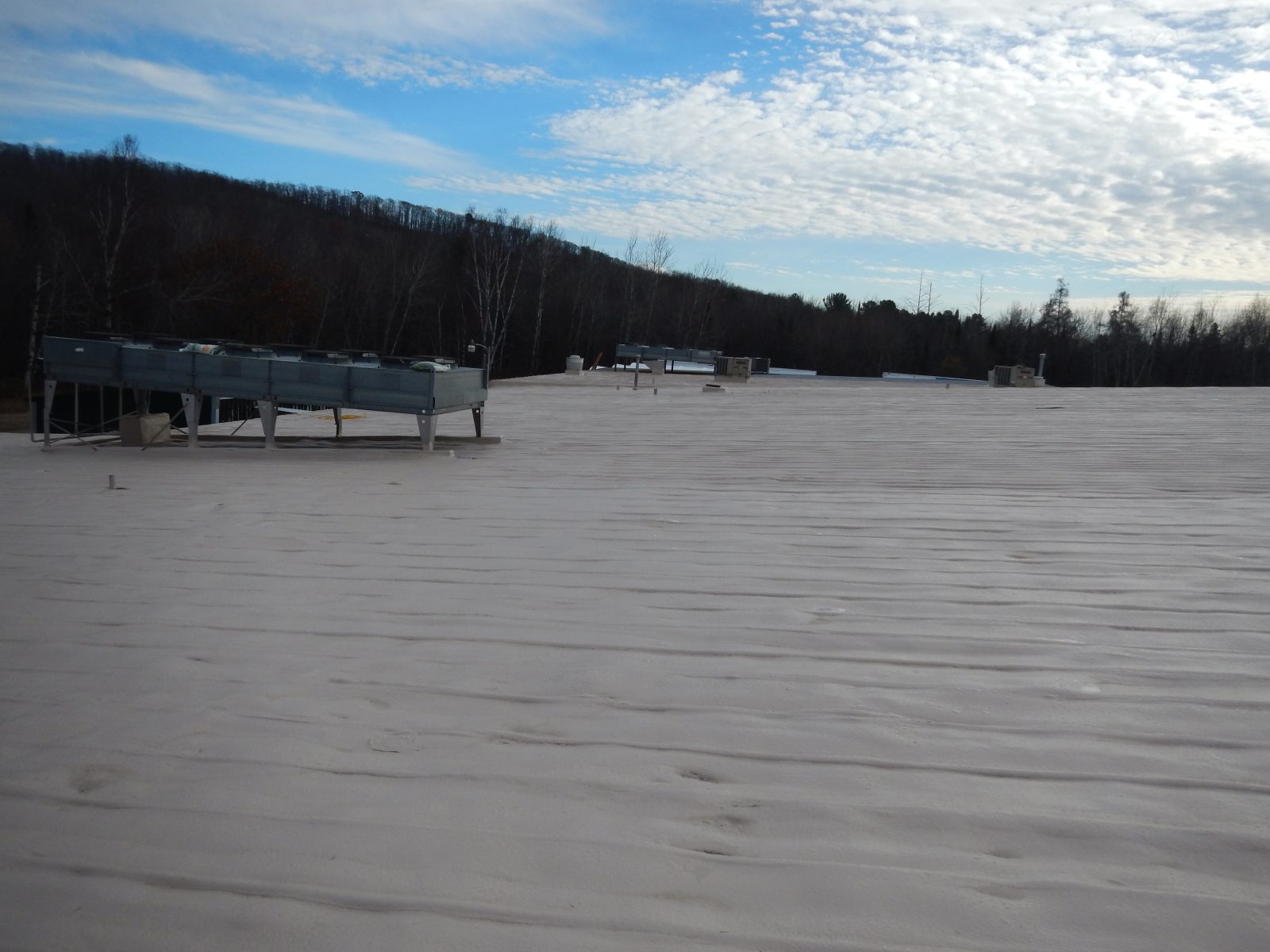
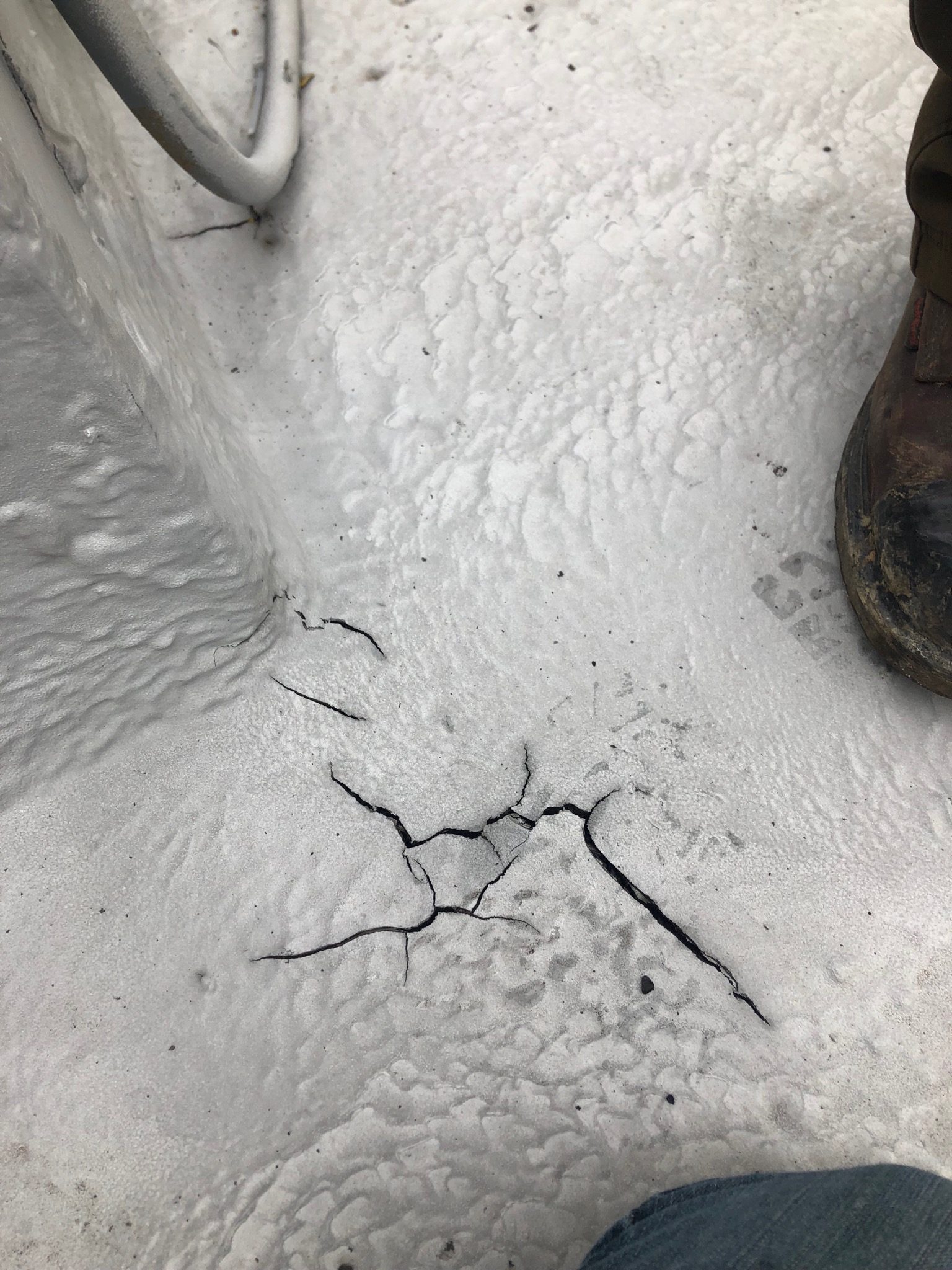
Tell Us What the Deck Is and What Sits on It
Deck profile and gauge, galvanized or painted, roof or floor, interior or exposed, and whether anything walks or rolls across it. That is enough for a product recommendation, a DFT target, and coverage math. Applicators and distributors: mention your region for the wholesale schedule.
Request a Deck SpecGet a Deck Coating Spec
Tell us about your project and we will follow up with product details, technical data sheets, and pricing.
Frequently Asked Questions
Frequently Asked Questions
What engineers, roofing contractors, and applicators ask us about deck work.
Substrate & Preparation
Can polyurea be applied over galvanized metal decking?
Yes, and it is the most common deck substrate we see — most structural decking ships G60 or G90. But galvanizing is not a good direct adhesion surface and it forms white rust in storage. Degrease, abrade to break the zinc surface, then apply 7001 Primer before the membrane. Skipping the primer on galvanized deck is the single most frequent cause of adhesion failure we get called about.
What prep does bare or rusted decking need?
SSPC-SP6 commercial blast to a 2–4 mil angular profile on bare or heavily corroded deck — that is what produces the 500+ PSI adhesion numbers. For maintenance overcoating of sound, tightly-adhered rust where blasting is impractical, SSPC-SP3 power-tool cleaning is acceptable with a reduced-warranty note. Loose scale and flaking product always have to come off.
How do you handle side laps and fastener penetrations?
You do not handle them separately — that is the point of spraying. The membrane bridges every lap and fastener head in the same pass as the field at the same film thickness. On a deck with hundreds of penetrations per bay, individually sealing each one is not economically or practically realistic, which is why detail-by-detail sealant approaches on decking have such a poor service record.
What about marine or coastal decking?
Add soluble chloride testing to the prep scope, with a limit below 7 µg/cm². Salt contamination is invisible, survives washing that looks adequate, and will osmotically blister any membrane placed over it. Test, and if the reading is high, pressure-wash and retest rather than proceeding. This is the step that separates marine deck jobs that last from ones that fail in eighteen months.
Performance on Deck
Will it crack when the deck deflects?
No, and that is why an elastomeric membrane is specified on decking rather than a hard-film coating. At 300–400% elongation with 400–500 pli tear strength, the membrane accommodates live-load deflection, thermal movement, and differential movement at laps without cracking. A metal deck moves; the coating has to move with it.
What DFT should I specify?
Interior mezzanine and platform deck runs 40–60 mil in OR7K. Exposed roof deck runs 60–80 mil in OR-80SLM. Traffic and impact surfaces — catwalks, stair treads, working platforms — run 80–120 mil in FJ1. All of those are achievable in a single pass, since the material sprays 20–120 mil without running or sagging.
Does the underside of the deck need coating too?
It depends on the building. Over a heated, humid, or wash-down space, warm interior air condenses on the cold bottom flange of the deck, and that hidden condensation drives corrosion nobody inspects for. In those buildings, coating the deck underside and the supporting bar joists addresses the actual mechanism. Over a dry conditioned space it is usually unnecessary.
Is the membrane walkable and slip resistant?
Walkable as sprayed. For slip resistance — required on any elevated or wet walking surface — aggregate is broadcast into the wet polyurea so the texture becomes part of the membrane. Unlike grip tape or an applied non-slip paint, it cannot peel off, and it does not create an edge for water to get under.
Installation, Cost & Comparison
What equipment is required to spray it?
A plural-component proportioner with heated hose — Graco Reactor E-20 or E-30 class or equivalent. It is not a roll-on or airless product. If you do not have a rig, we can refer you to applicators in your region, or talk through what adding the capability involves.
How long is the deck out of service?
Tack-free in 10–30 seconds and typically back in service within the hour. On occupied buildings, live mezzanines, and roof decks racing weather, that turnaround is often the deciding factor — you are handing the area back the same shift rather than staging around a multi-day cure.
How does this compare to a sheet membrane or a coated deck assembly?
A sheet membrane is only as good as its seams and its terminations, and on a corrugated profile with hundreds of fasteners those are numerous and labor-intensive. A sprayed membrane has no seams at all and conforms to the profile geometry rather than spanning it. Cost per square foot is comparable or better once the detail labor on a sheet system is counted honestly.
Can it be repaired or recoated later?
Yes, and easily. Within about six hours a new pass bonds chemically to the existing membrane with no additional prep. After that, abrade the area and apply 7001 Primer before recoating. Localized damage repairs integrate into the existing membrane rather than lapping over it, so there is no new seam introduced by the repair.
Question Not Answered?
Ask it directly. You will get an answer from someone who has sprayed decking, not from a call center.
Ask a Question